Work increased after that.
Not openly. Quietly.

Show your support

Work increased after that.
Not openly. Quietly.
Write a comment ...

18+ | trigger warning - bullying Indus Private University has one rule: Everything has a price. Rohini is the girl who shouldn't be there. A scholarship student with everything to lose and a family counting on her silence. Aarav is the boy who owns the air she breathes. The heir to an empire who views people like parts in a machine-to be used, or to be discarded. She came to Indus to change her future. He's decided to make her his obsession. In a world built on power and privilege, Rohini is about to learn that some lessons aren't found in textbooks-and some debts can never be repaid. How far will she go to survive the Golden Boy?
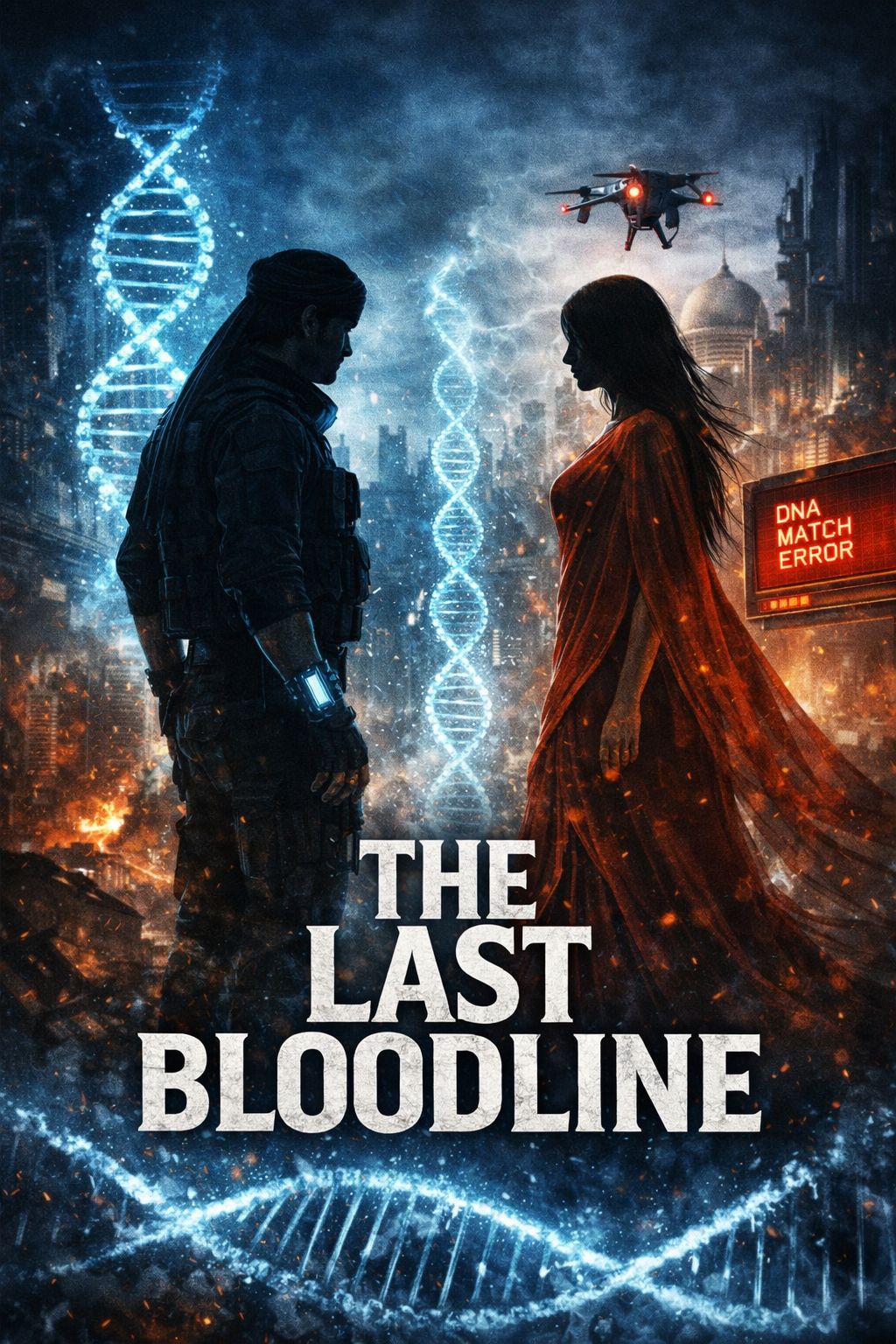
India, 2080. Your DNA decides if you deserve to live. Every citizen is ranked by the Purity Index—a genetic score that determines power, privilege, and survival. Officer Azaan Khan enforces the system. He hunts the unregistered, scans their blood, and erases them without hesitation. Until he finds her. A starving girl hiding beneath the city. No identity. No record. No past. But when he scans her DNA, the system does something impossible. It glitches. Now the most dangerous secret in the country isn’t her blood. It’s the fact that the man meant to destroy her… won’t let her go.

18+ Welcome to Sins & Obsessions. A collection of dark short stories where obsession is love, danger feels like desire, and happy endings are never pure. Each story is short, twisted, and addictive. One chapter. One dark love story. ❤️
Write a comment ...